Spring
Where: Rivers, rocky shoals and creek mouths after the spawn.
Try: Slow jig-and-minnow along current seams.
01 / 06 · Species guide
Ontario's favourite table fish. Light-shy, structure-loving and at their best when the sun drops off the water.
Where to find them
Where: Rivers, rocky shoals and creek mouths after the spawn.
Try: Slow jig-and-minnow along current seams.
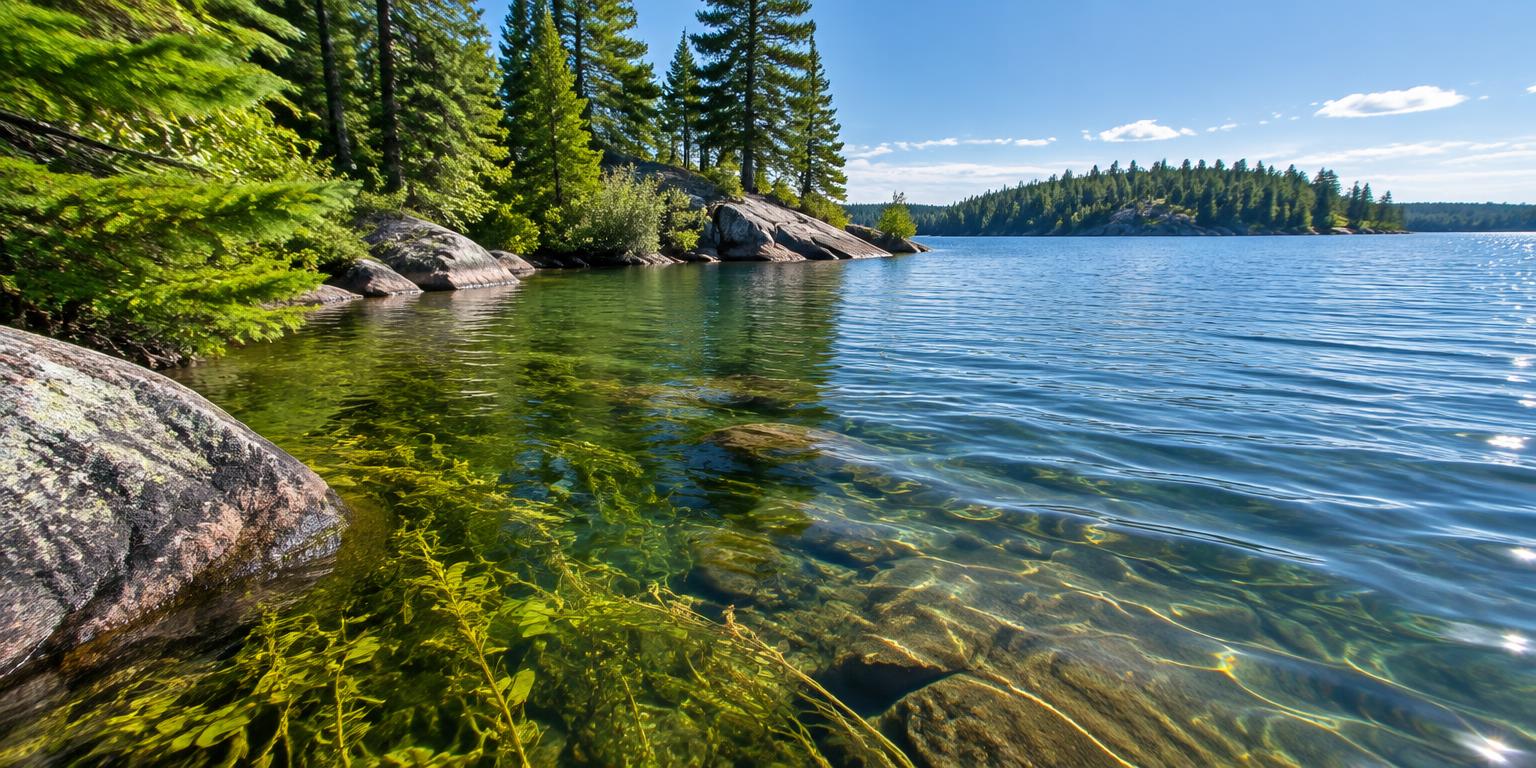
Where: Mid-lake humps, weed edges and main-lake points 15–30 ft.
Try: Bottom bouncers, spinner rigs and trolled crankbaits.
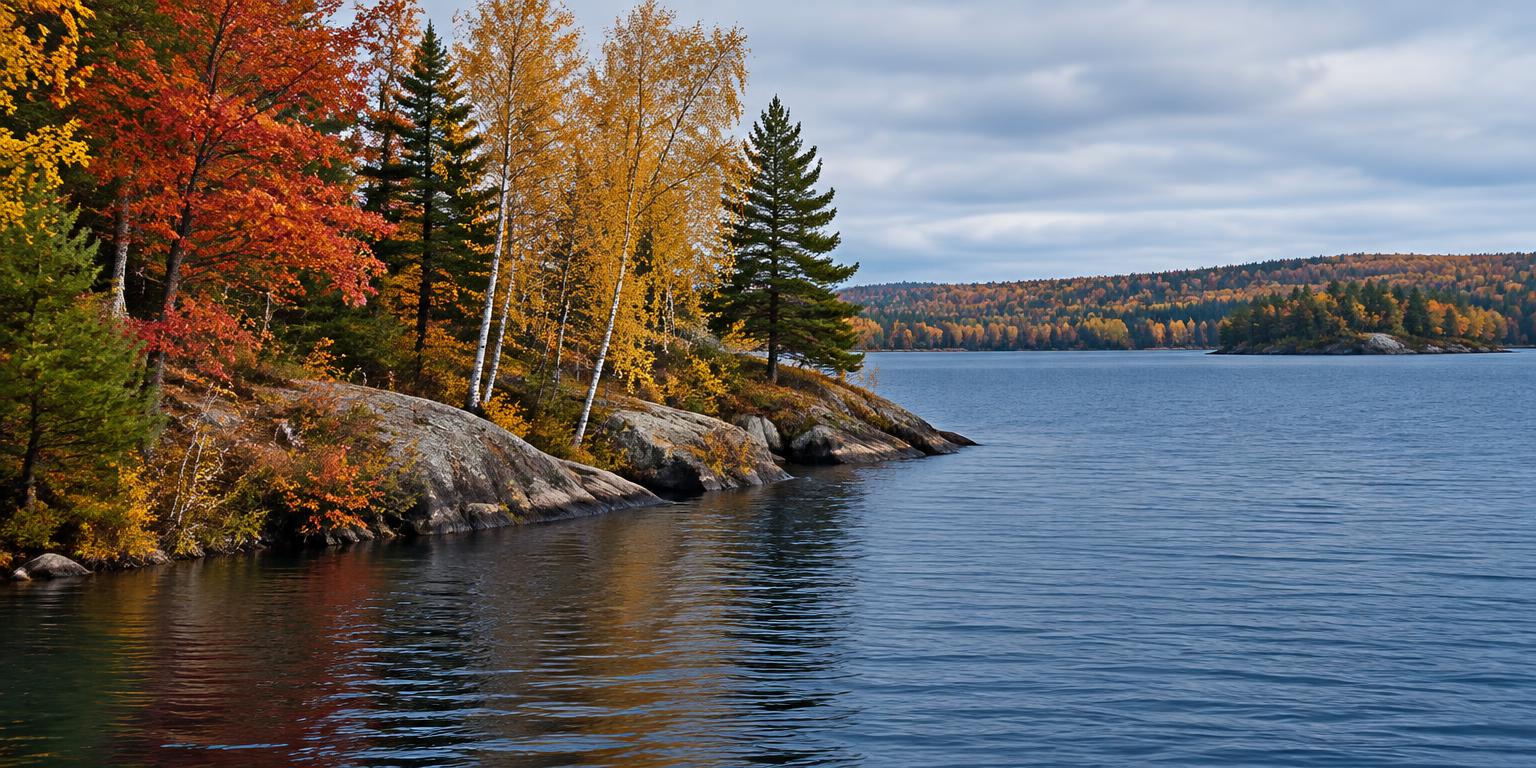
Where: Steep breaks near deep basins as baitfish school.
Try: Vertical jigging blade baits and big minnows.
Tips & tricks
Popular gear
Rod, reel & line
Shop for walleye
Straight answers
In summer walleye usually sit 15–30 ft deep on mid-lake humps, deep weed edges and main-lake points, often near the thermocline. They slide shallower at dusk and on windy, overcast days to feed.
Use the lightest jig that keeps bottom contact: 1/8 oz in shallow water, 1/4–3/8 oz in 15–30 ft or current. Tip it with a live minnow, a leech, or a scented plastic tail.
Low light. The last hour before dark into the first hours of night is prime, along with dawn and any grey, windy day when the 'walleye chop' cuts light penetration.
Many central Ontario zones use slot limits, protecting mid-size breeding fish. Limits and slots vary by zone and lake, so always check the current Ontario regulations summary before keeping fish.
In stained water try chartreuse, orange and firetiger. In clear water go natural — perch, shiner and silver patterns. Glow finishes help after dark.
Mid-May to mid-October. Opens the second Saturday in May in most central Ontario zones. Slot limits vary by lake.
Other species
Season dates are general guidance for this demo — always check current Ontario fishing regulations for your zone.