Early summer
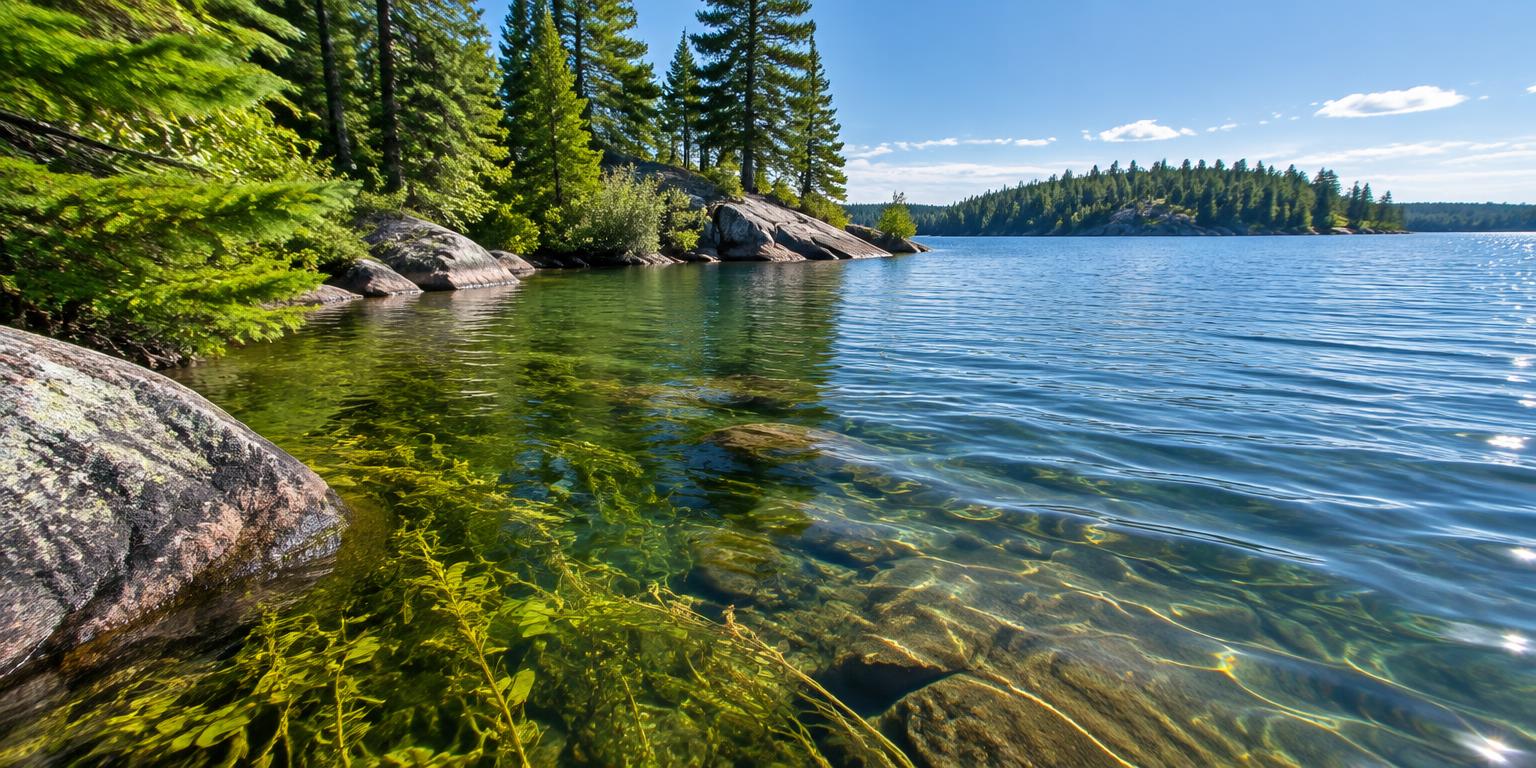
Where: Shallow weed flats and bays post-spawn.
Try: Smaller bucktails and topwater.
03 / 06 · Species guide
The apex predator of our lakes. Rare, huge and unforgettable — patience and heavy gear are non-negotiable.
Where to find them
Where: Shallow weed flats and bays post-spawn.
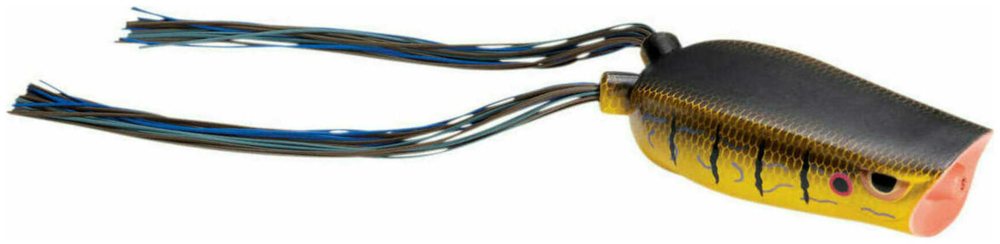
Try: Smaller bucktails and topwater.
Where: Weedlines, rock reefs and open-water bait schools.
Try: Big bucktails, glide baits, trolling.
Where: Deep breaks near spawning bays — the big-fish window.
Try: Large soft swimbaits, slow and deep.
Tips & tricks
Popular gear
Rod, reel & line
Shop for musky
Straight answers
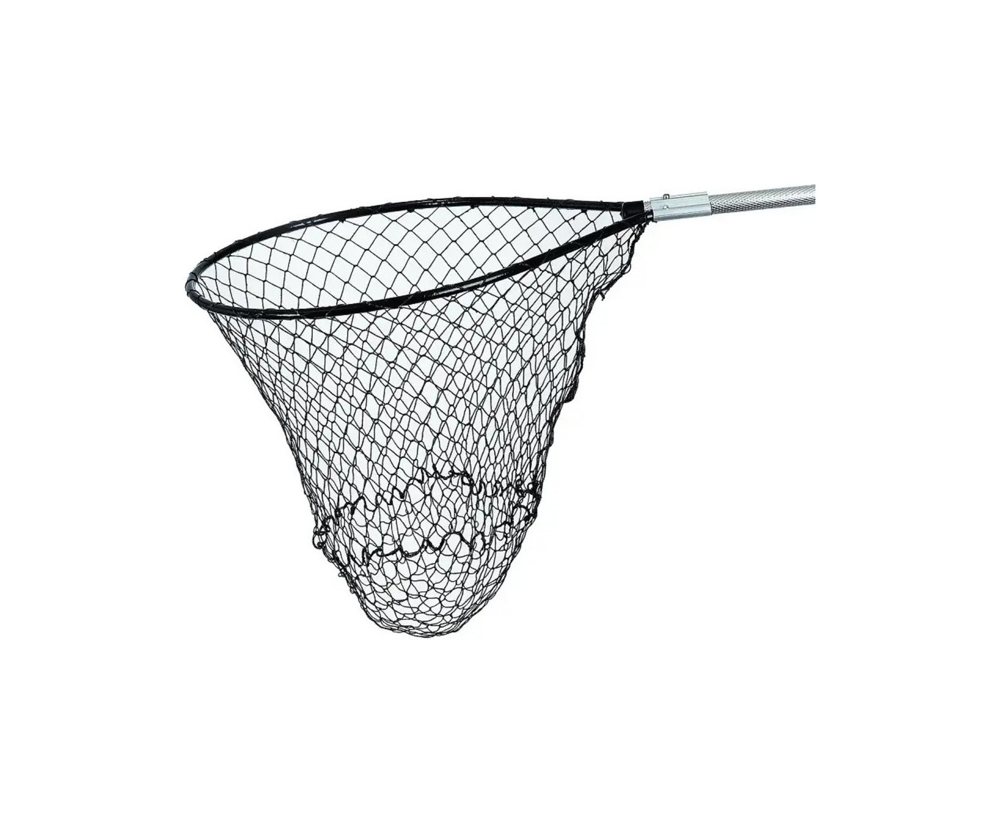
A heavy 8–9 ft musky rod, a large baitcasting reel, 80–100 lb braid and a heavy fluorocarbon or wire leader. A big cradle or net, jaw spreaders and long bolt cutters are essential.
Fall. As water cools, musky feed heavily before winter. October and early November produce many of the biggest fish of the year, especially on large baits.
At the end of every retrieve, sweep the lure in a wide figure-eight beside the boat. Musky often follow lures to the boat, and the change in direction triggers a strike.
Musky are known as 'the fish of 10,000 casts'. Covering water with big baits, fishing weather changes, and figure-eighting every cast improves your odds a lot.
Keep the fish in the net in the water while you unhook it, have tools ready, limit photos to a quick lift with support under the belly, and revive it until it swims off strongly.
Third Saturday in June to mid-December. Minimum size limits are high in most zones. Catch and release is strongly encouraged.
Other species
Season dates are general guidance for this demo — always check current Ontario fishing regulations for your zone.