Spring
Where: Warm shallow bays, reeds and docks during the spawn.
Try: Slip bobbers with small minnows or worms.
06 / 06 · Species guide
Fast action for every age. Crappie and bluegill are the perfect family bite — and a delicious shore lunch.
Where to find them
Where: Warm shallow bays, reeds and docks during the spawn.
Try: Slip bobbers with small minnows or worms.
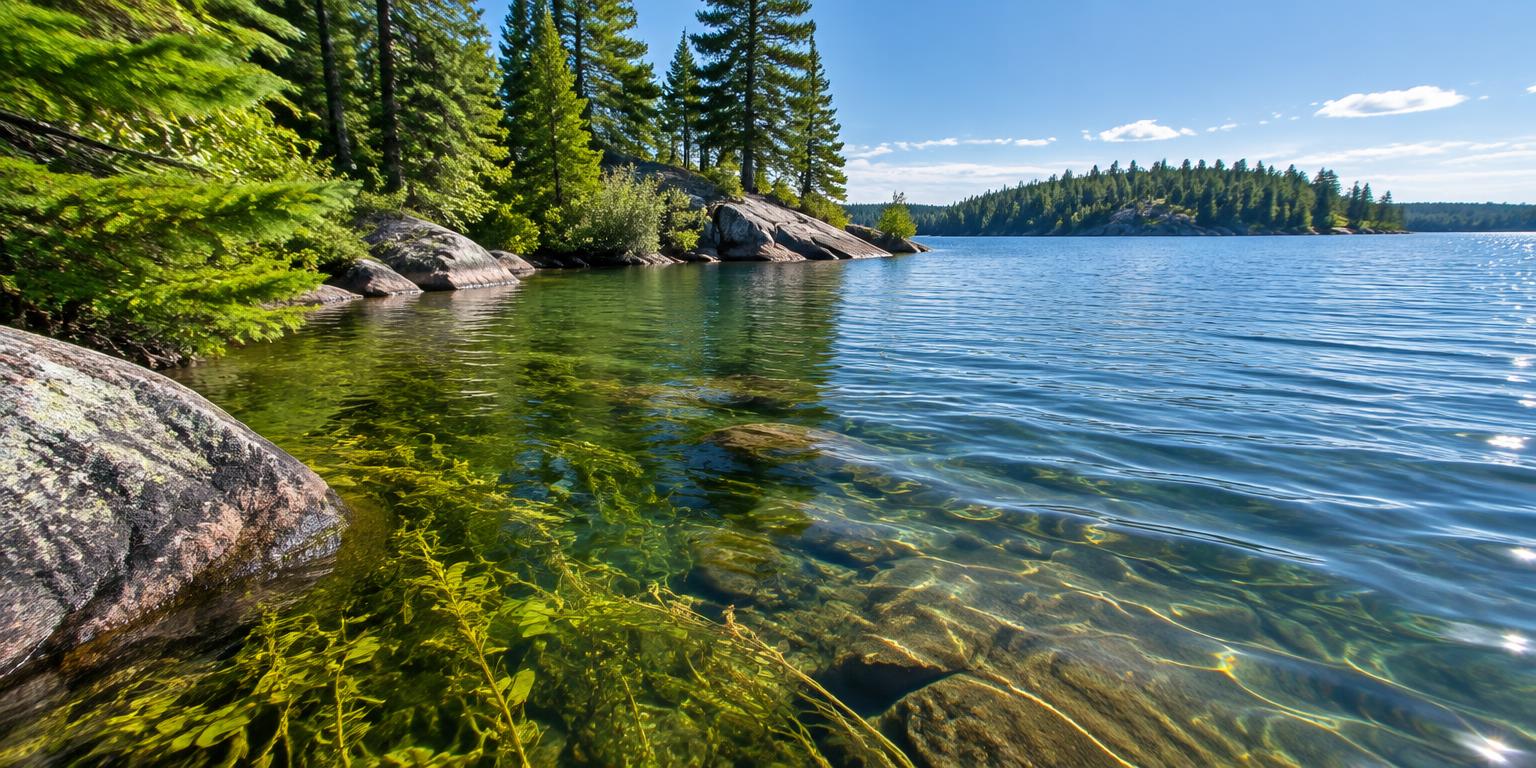
Where: Weed edges, docks and suspended over deeper brush.
Try: Micro jigs under a float.
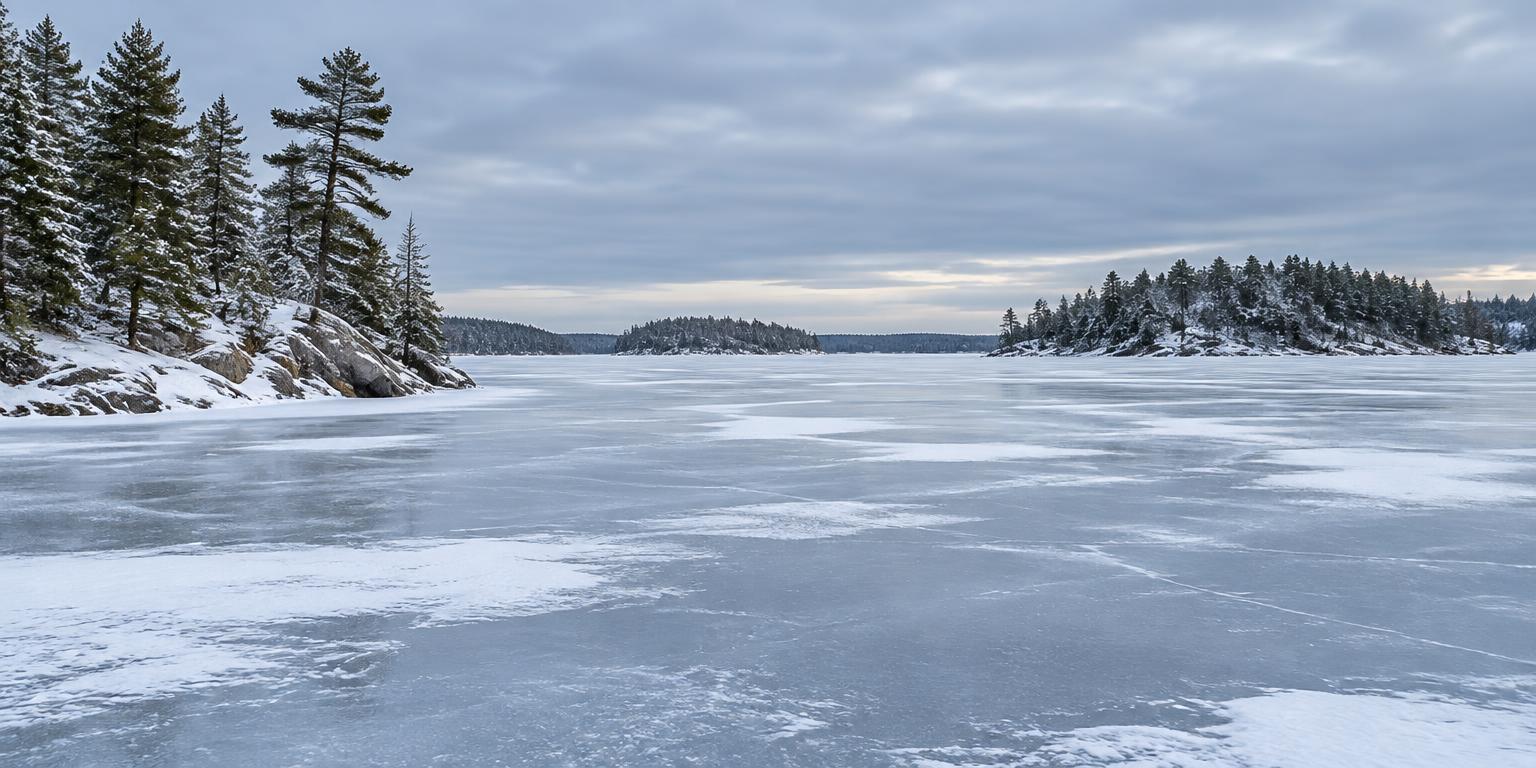
Where: Basins and deep weed edges under the ice.
Try: Tiny tungsten jigs with spikes or plastics.
Tips & tricks
Popular gear
Rod, reel & line
Shop for panfish
Straight answers
After ice-out, crappie stage near brush, docks and shallow bays as water warms. They move into 2–6 ft to spawn when water reaches about 55–60°F, then pull back to deeper cover.
An ultralight 5'6"–6'6" spinning rod, a 1000-size reel and 4 lb line. Pair it with 1/32–1/16 oz micro-jigs or a small hook and slip bobber.
Worms and small minnows are hard to beat. Small tube jigs, curly-tail grubs and waxworms also work well, especially in winter through the ice.
Set the bobber stop so your jig or minnow hangs just above the fish or the top of the brush. Slip bobbers let you fish deeper than your rod length and still cast easily.
Yes — panfish are the best fish for kids. They live near docks and shorelines, bite all day, and are plentiful, so there's constant action.
Open all year. Most Ontario zones keep sunfish and crappie open year-round with generous limits. Check your zone's crappie limit.
Other species
Season dates are general guidance for this demo — always check current Ontario fishing regulations for your zone.