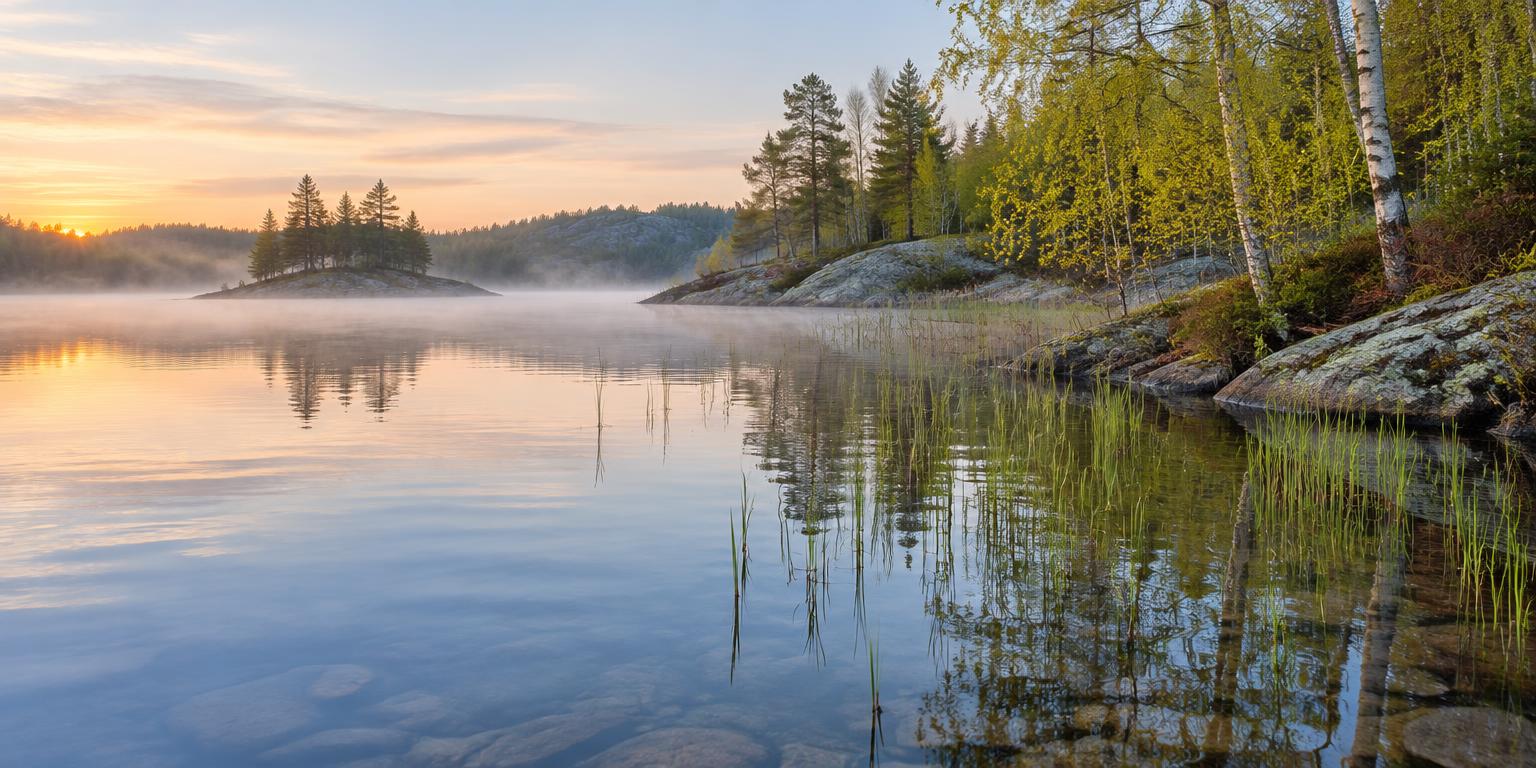
Spring
Where: Shallow, dark-bottomed bays that warm first.
Try: Slow suspending jerkbaits and spoons.
02 / 06 · Species guide
Aggressive, toothy and everywhere there's weed. Pike reward big baits and steady nerves.
Where to find them
Where: Shallow, dark-bottomed bays that warm first.
Try: Slow suspending jerkbaits and spoons.
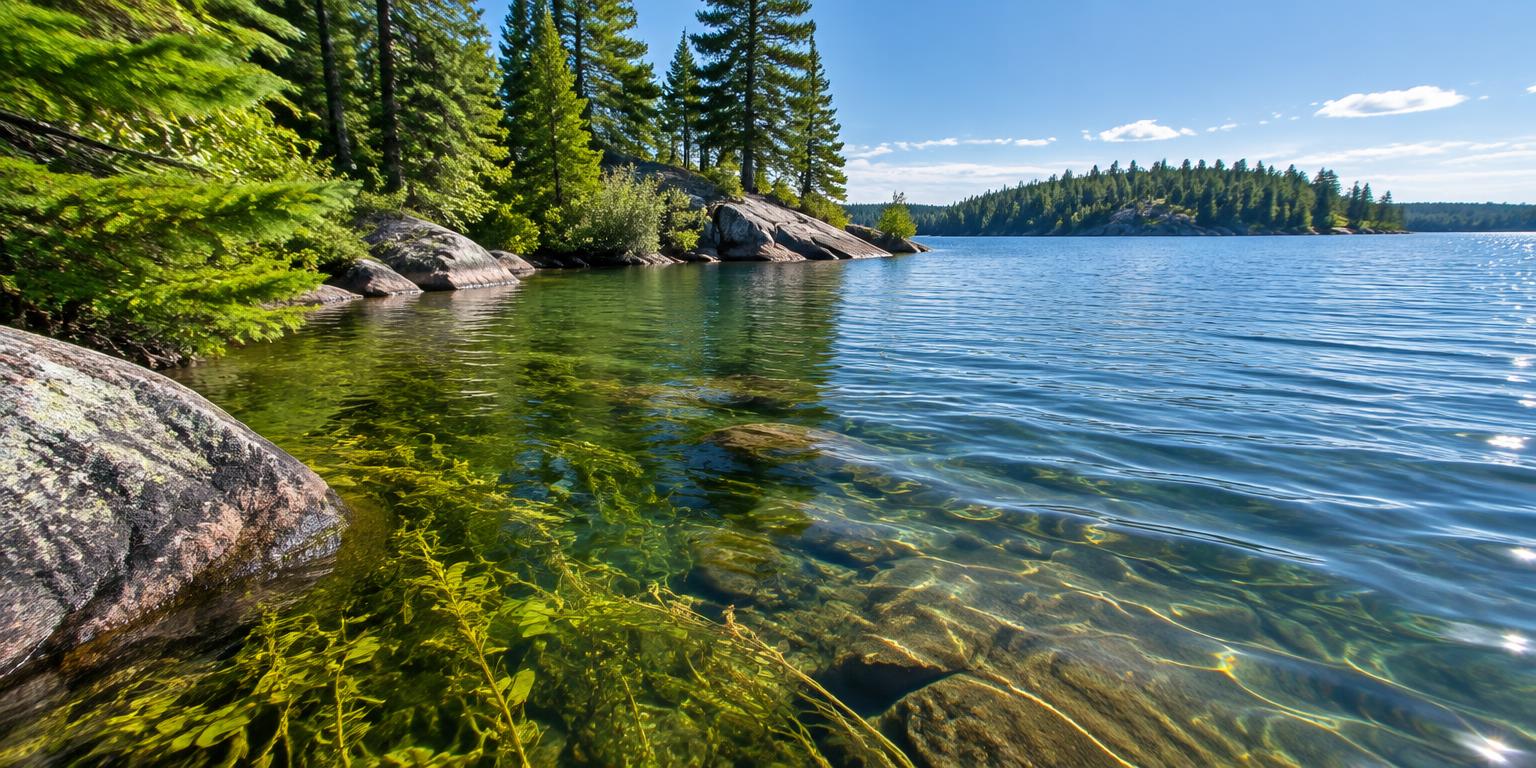
Where: Deep weed edges and cabbage beds; big fish slide deeper.
Try: Spinnerbaits and swimbaits along the weedline.
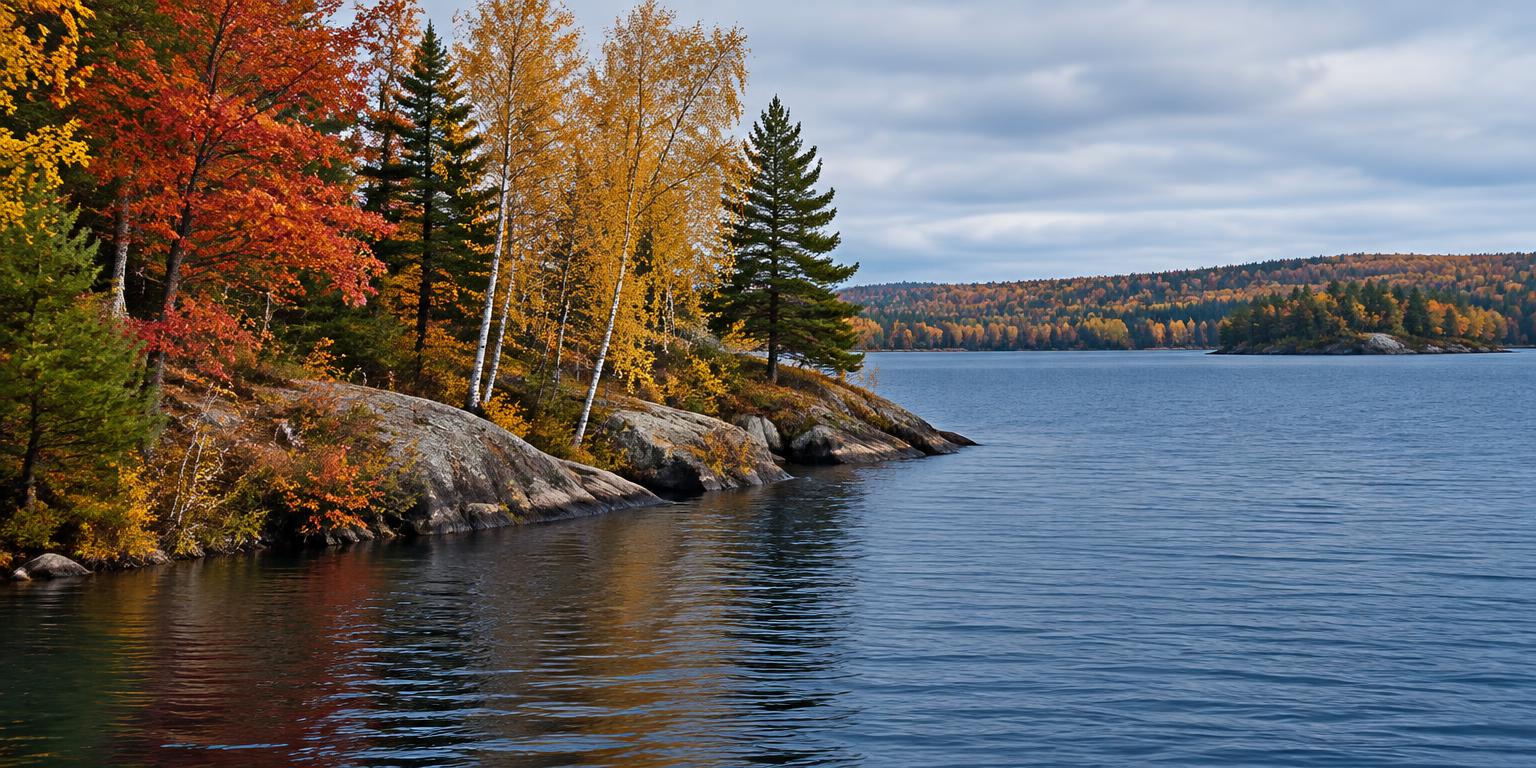
Where: Points and dying weed near baitfish schools.
Try: Big baits, slower retrieves, long pauses.
Tips & tricks
Popular gear
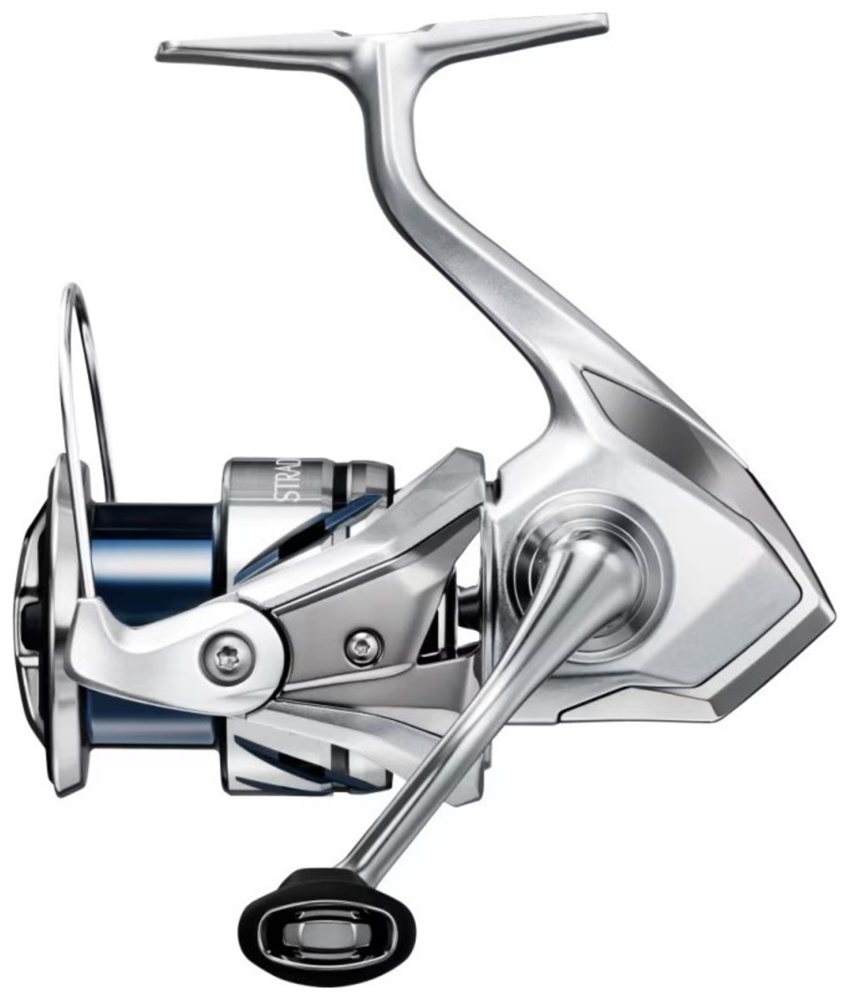
Rod, reel & line
Shop for pike
Straight answers
Yes. Pike teeth cut regular line instantly. Use a 12–18 inch wire or titanium leader, or at least 50–80 lb fluorocarbon, to avoid losing fish and leaving lures in their mouths.
Right after ice-out, pike move into shallow, dark-bottomed bays and weedy back lakes that warm first. Slow-moving baits in 2–8 ft of water are deadly in early spring.
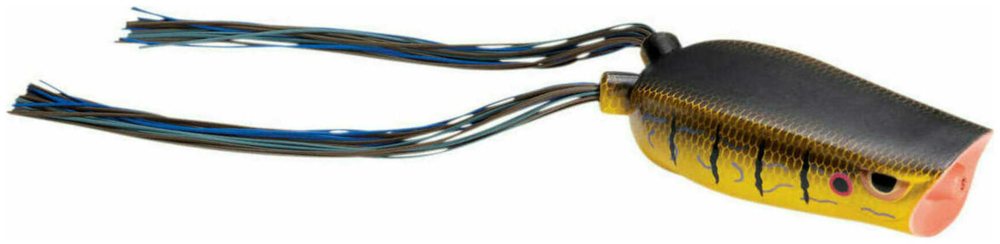
Spoons like a red-and-white Daredevle, inline spinners, spinnerbaits, swimbaits and jerkbaits. In summer, run larger baits along deep weed edges.
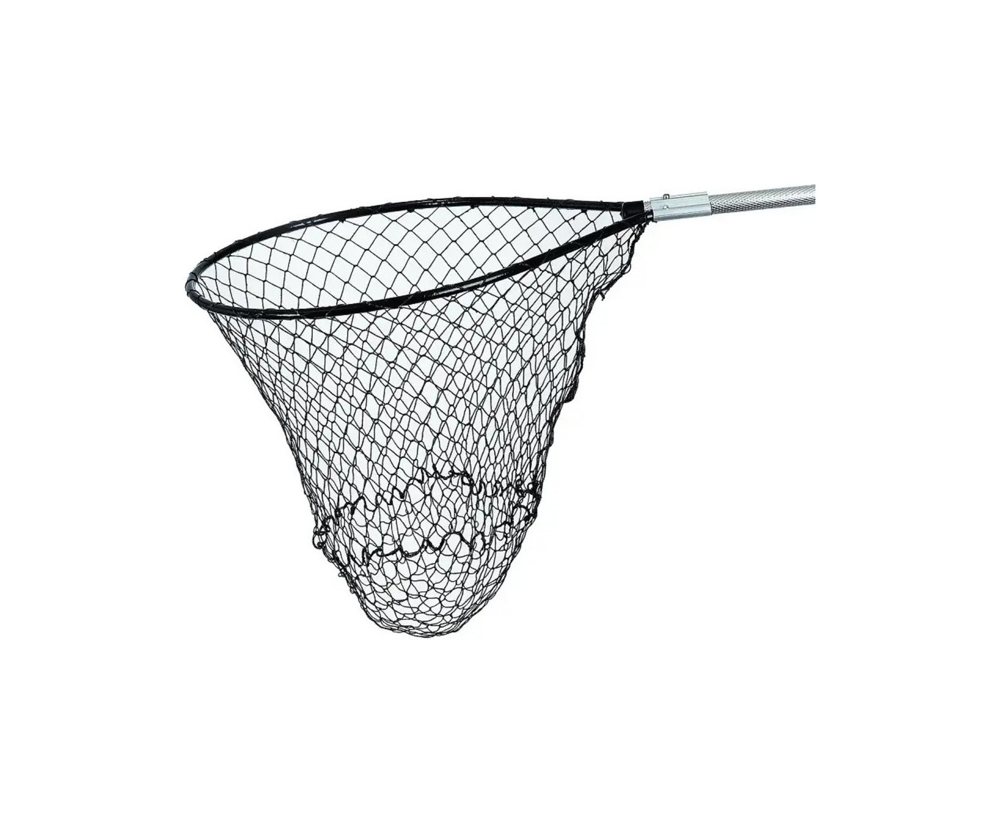
Use a rubber-mesh net, long-nose pliers or jaw spreaders, and support the fish horizontally. Keep it in the water as much as possible and release it quickly.
Yes, the meat is firm, white and mild. The catch is the Y-bones — learn the five-fillet boneless method, or keep smaller pike under about 28 inches for easier cleaning.
Mid-May to mid-March. Most central zones open alongside walleye in May and stay open through ice season. Check local regulations.
Other species
Season dates are general guidance for this demo — always check current Ontario fishing regulations for your zone.